
FREE WORLDWIDE SHIPPING
Perfumes You Probably Don't Know - But Should
Hidden gem fragrances worth smelling at least once
If you work around fragrance long enough, you notice a funny pattern: the perfumes everyone knows are not always the ones that actually make people stop you in the street. The truly memorable reactions often come from bottles that never go viral, never get pushed by massive campaigns, and rarely show up on "top 10" lists.
In the perfume industry, we call these "quiet winners" - scents that sell steadily through word of mouth, build loyal repeat buyers, and somehow feel more personal because not everyone is wearing them. Some are niche. Some are designer but overlooked. Some are shockingly affordable for the performance. And many of them are the kind of fragrances you only discover after years of smelling, comparing, and watching what people actually finish to the last drop.
This guide is built like the conversations I have behind the counter and in distributor meetings: what to try if you want to smell incredible without smelling like everyone else. I will also show you how to choose based on note families (citrus, woods, florals, amber, musks), because the fastest way to find a hidden gem is not chasing hype - it is matching structure to your taste.
How perfume insiders find underrated fragrances
When I evaluate a perfume for real-world wear (not just a 30-second first spray), I look at five things. You can use the same checklist at home.
- Opening vs drydown: Many perfumes "wow" in the first 5 minutes and become flat later. A hidden gem usually does the opposite: it gets better after 30-90 minutes.
- Texture: Not just notes, but feel. Is the citrus airy or oily? Is the vanilla creamy or smoky? Is the wood dry or polished?
- Sillage control: Great perfumes can project without shouting. A good scent should have a "bubble" not a "cloud".
- Wearability: Can you wear it to work, a date, and a weekend without it feeling like a costume?
- Value per spray: This is not "cheap vs expensive". It is "how satisfying is one spray" - especially in niche categories.
Now let's go into the bottles that deliver on those rules, including standout picks from Xerjoff, Acqua Di Parma, Atelier Cologne, Elie Saab, and Lattafa.
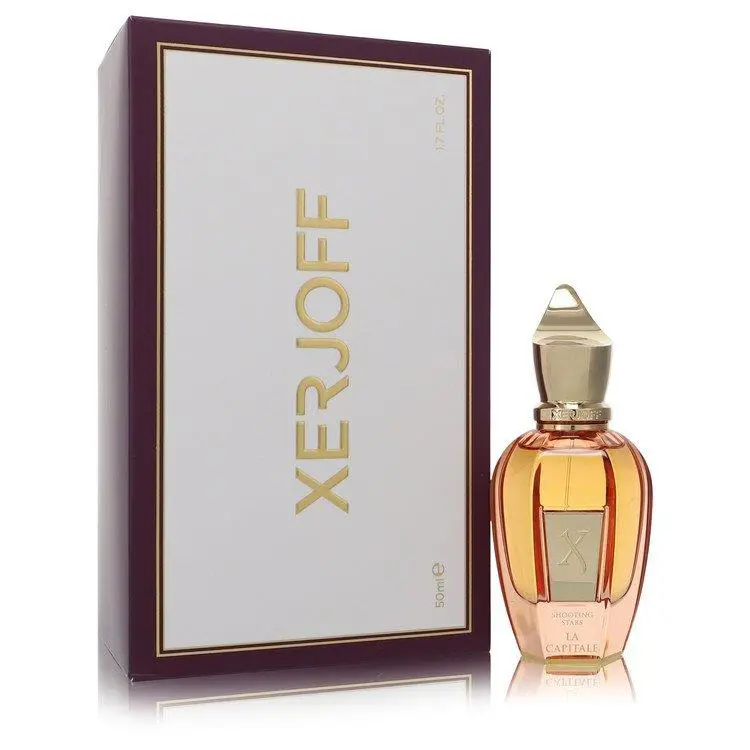
1) Xerjoff: the niche house people assume is "too much" - until they smell the right one
Xerjoff has a reputation: luxurious, bold, and sometimes intense. That reputation is earned. But what many people do not realize is that Xerjoff also does elegance extremely well - refined compositions that feel expensive without being overpowering.
What to try if you want a signature that feels high-end: look for Xerjoff profiles built around citrus over a warm base (amber, musk, woods). These tend to be the most wearable and compliment-friendly. They keep the brand's richness, but they land clean and polished on skin.
- Best for: someone who wants niche quality but still wants to be wearable in public settings.
- Smell vibe: tailored jacket, clean shirt, expensive hotel lobby, the "you smell good" type of luxury.
- Insider tip: do not judge Xerjoff from one spray on paper. Wear it once on skin. Their bases often bloom after an hour.
Search tip: if you are browsing, type Xerjoff and filter by the note families you already love (citrus, vanilla, woods). That simple step avoids blind-buy regret.
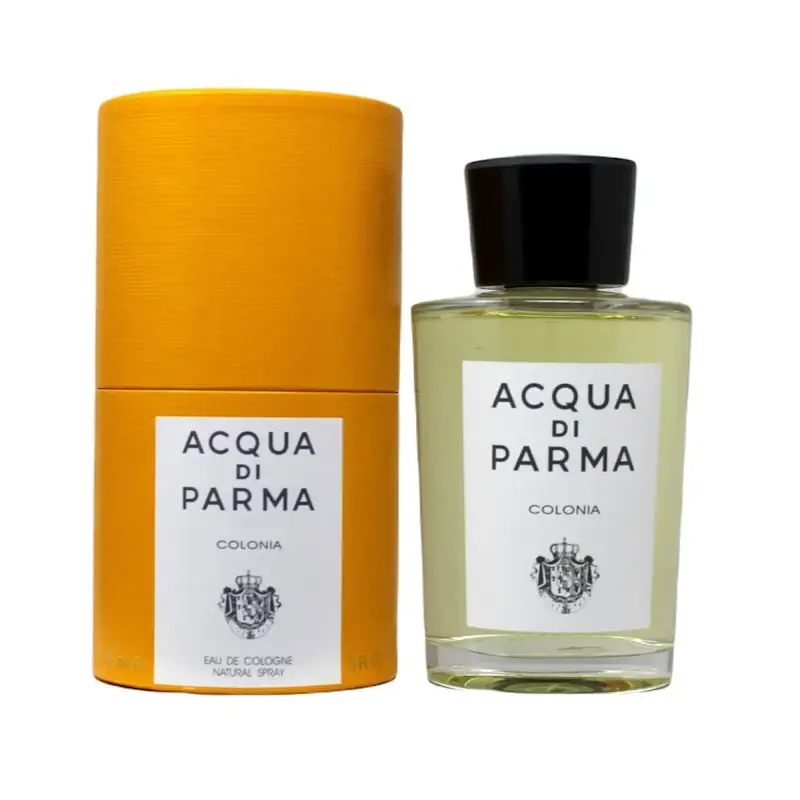
2) Acqua Di Parma: overlooked because it feels "classic" - but classics are rare now
Acqua Di Parma is one of those brands that quietly defines "Italian refinement". People know the name, but many have not explored beyond the obvious. In my world, Acqua Di Parma is a cheat code for smelling groomed, bright, and effortlessly put together.
What people miss: not all fresh scents are created equal. Some are watery and disappear. Acqua Di Parma does freshness with structure - citrus that feels realistic, aromatic notes that feel clean, and a base that holds the scent on skin.
- Best for: office, daytime, warm weather, travel, anyone who hates heavy sweetness.
- Smell vibe: crisp linen, sunlit citrus, clean barber shop in the best way.
- Insider tip: if you want it to last longer, spray once on clothes (not delicate fabrics) and once on skin. The contrast makes the freshness feel more dimensional.
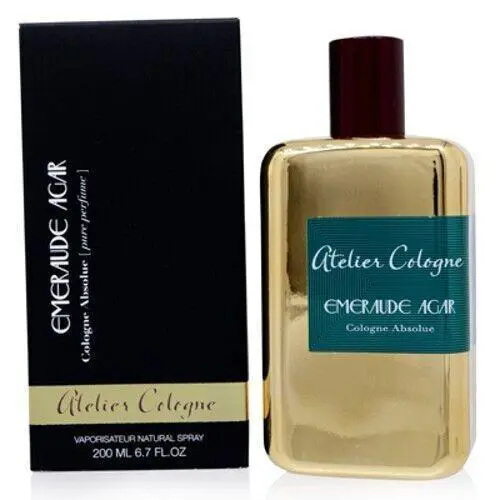
3) Atelier Cologne: the modern citrus trick that makes people lean closer
Here is a fragrance truth: citrus is the hardest family to do well. Citrus materials can be volatile, and many citrus perfumes smell amazing for 10 minutes and then vanish. Atelier Cologne built its identity around making citrus feel vivid, layered, and wearable - often with a subtle sweetness or woodiness that keeps it anchored.
If you are bored of standard "blue" fresh perfumes, Atelier Cologne is a smarter direction. The profiles are usually bright and clean, but they have personality. And personality is what makes someone ask what you are wearing.
- Best for: anyone who loves fresh scents but wants more character than a basic sports cologne.
- Smell vibe: sparkling citrus peel, soft woods, a clean t-shirt with expensive denim.
- Insider tip: citrus works beautifully as a layering top. One spray over a soft musky base can make your whole scent smell "new".
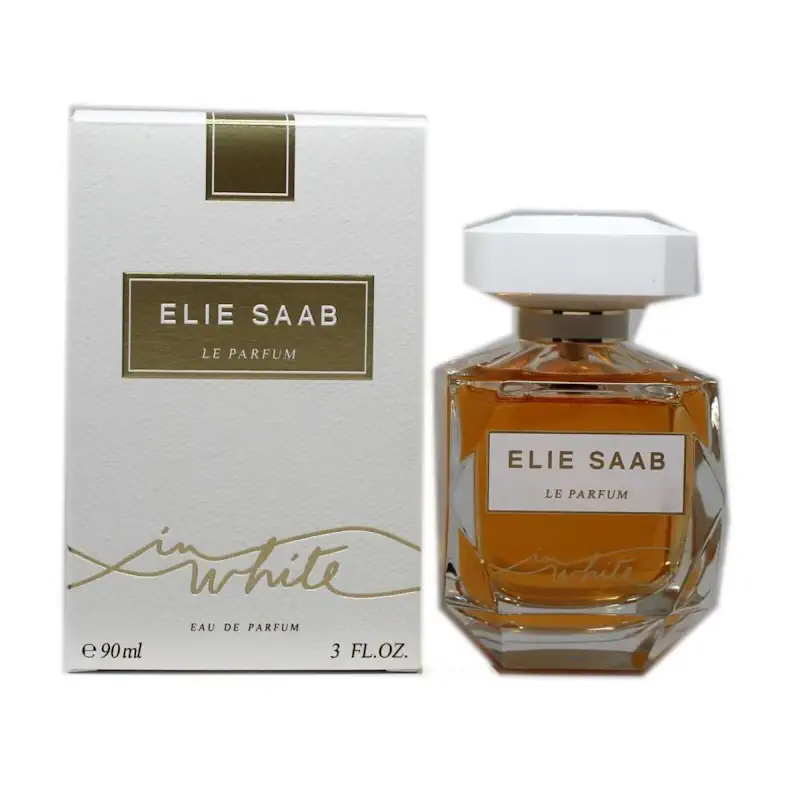
4) Elie Saab: the elegant floral house people forget to test on skin
Elie Saab is known in fashion for glamour, but in fragrance it often gets mislabeled as "just another floral". That is unfair. When you smell Elie Saab properly, you get what the brand does best: luminous femininity, polish, and an upscale finish that reads far more expensive than many people expect.
Why it's underrated: florals are everywhere, so shoppers assume they have smelled it all. But Elie Saab's best scents usually have a radiant floral heart (often white florals or orange blossom-style brightness) supported by honeyed or musky warmth that sits beautifully on skin.
- Best for: events, evenings, date nights, and anyone who wants to smell "put together" without being loud.
- Smell vibe: soft glow, silk blouse, elegant hair, the "expensive lady" vibe without trying.
- Insider tip: test on skin and wait 45 minutes. The beauty is often in the drydown, not the first spray.
5) Lattafa: the affordable surprise that embarrasses expensive bottles
Let us talk about the elephant in the room: value. In the last few years, Middle Eastern fragrance houses have changed the market. Lattafa is one of the names I see converting skeptics into believers, because the performance-to-price ratio can be genuinely impressive.
Is everything from Lattafa a masterpiece? No. But that is true for any brand. The point is that Lattafa offers a path into strong, modern profiles - often with bold ambers, sweet woods, spices, and musks - without the niche price tag.
- Best for: anyone who wants strong longevity, bold presence, and great value.
- Smell vibe: warm and confident - often sweet-ambery, sometimes smoky, usually noticeable in a good way.
- Insider tip: spray less than you think. Many Lattafa scents are powerful. Two sprays can be enough.
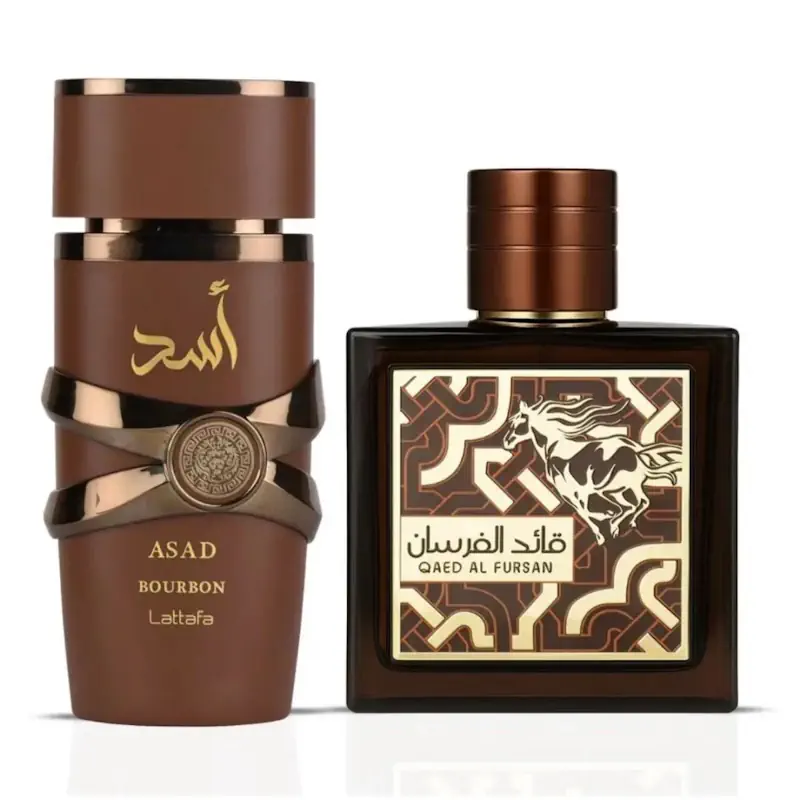
If you are curious, browse Lattafa perfumes and choose based on your comfort level with sweetness and amber.
Perfume profiles you probably don't know - but should
Brands are helpful, but the real secret is understanding profiles. Here are five scent "types" that perfume insiders recommend when someone wants to smell different but still attractive.
1) Polished citrus over warm woods
This is the grown-up version of "fresh". It works for all genders, all ages, and most settings. Think bright top notes with a smooth woody base. It smells clean, but not generic. Brands like Acqua Di Parma and Atelier Cologne often excel here, and some Xerjoff options do this in a more luxurious, textured way.
2) Radiant florals with a modern glow
Not powdery vintage, not syrupy sweet. The modern version feels luminous and wearable, like the person is naturally elegant. Elie Saab is a great entry point if you want a floral that reads polished and upscale.
3) Soft musks that smell like expensive skin
These are the perfumes that make people lean in, because they smell intimate rather than loud. They often do not scream from across the room, but they win in close distance. They are also great for layering under citrus or light florals.
4) Amber-vanilla done with restraint
Everyone knows sweet gourmands. What people do not know is the elegant version: amber and vanilla with balance, where the sweetness is wrapped in woods, resin, or a soft spice. Lattafa can surprise you here, and niche houses often do it in a more complex way.
5) Spiced woods for confident everyday wear
This profile is the easiest way to smell "expensive" in cooler weather. Think gentle spice, smooth woods, and a clean structure that lasts. Many "hidden gem" successes live in this category because it is universally appealing without being boring.
How to choose a hidden gem perfume in 90 seconds
If you want a simple decision system, use this. It is the same logic I use when recommending new scents to repeat customers.
- Pick your comfort zone: fresh, floral, sweet, woody, or musky.
- Pick your setting: office/day, date night, events, or all-around daily.
- Pick your intensity: quiet (close to skin), medium (noticeable), or bold (statement).
Examples: If you want office-safe freshness - start with Acqua Di Parma. If you want bright modern freshness with character - Atelier Cologne. If you want upscale floral elegance - Elie Saab. If you want niche luxury and depth - Xerjoff. If you want strong performance on a budget - Lattafa.
Layering tips insiders actually use
Layering sounds advanced, but it is mostly about one goal: create contrast. Here are easy pairings that work without smelling messy.
- Citrus on top of musk: makes freshness last longer and smell "skin-like" instead of sharp.
- Floral with a clean wood base: adds sophistication and reduces that "too sweet" feeling.
- Amber with one spray of citrus: makes sweet scents feel brighter and less heavy.
Rule: do not layer two loud perfumes. Layer one "base" (musk, wood, amber) and one "spark" (citrus or light floral).
FAQ: Quick answers before you buy unfamiliar perfumes
How do I find hidden gem perfumes that fit my taste?
Start with notes you already love and explore less-hyped versions in the same family. The goal is not "random niche" - it is "your taste, better executed".
Are niche perfumes always better than designer perfumes?
No. Niche can be more daring, but designer can be beautifully made and more wearable. Judge perfume by performance, balance, and how it makes you feel - not the label.
What is the safest way to buy a perfume I've never smelled?
Choose a scent anchored in notes you already wear, avoid extreme profiles unless you know you love them, and start small if possible.
Which lasts longer: eau de parfum or cologne?
Often eau de parfum lasts longer, but formula matters more than the name. A well-built citrus can last surprisingly long, and a poorly built eau de parfum can fade fast.
What are the best hidden gem perfume brands to explore first?
For luxury depth: Xerjoff. For refined freshness: Acqua Di Parma. For bright modern citrus: Atelier Cologne. For elegant florals: Elie Saab. For value and performance: Lattafa.
The best compliment in fragrance is not "that is popular". It is "that smells like you". Hidden gems help you get there faster because they are not trying to please everyone. They are trying to be unforgettable for the right person. If you choose based on note family, intensity, and setting - you will find a bottle you finish, repurchase, and quietly gatekeep.